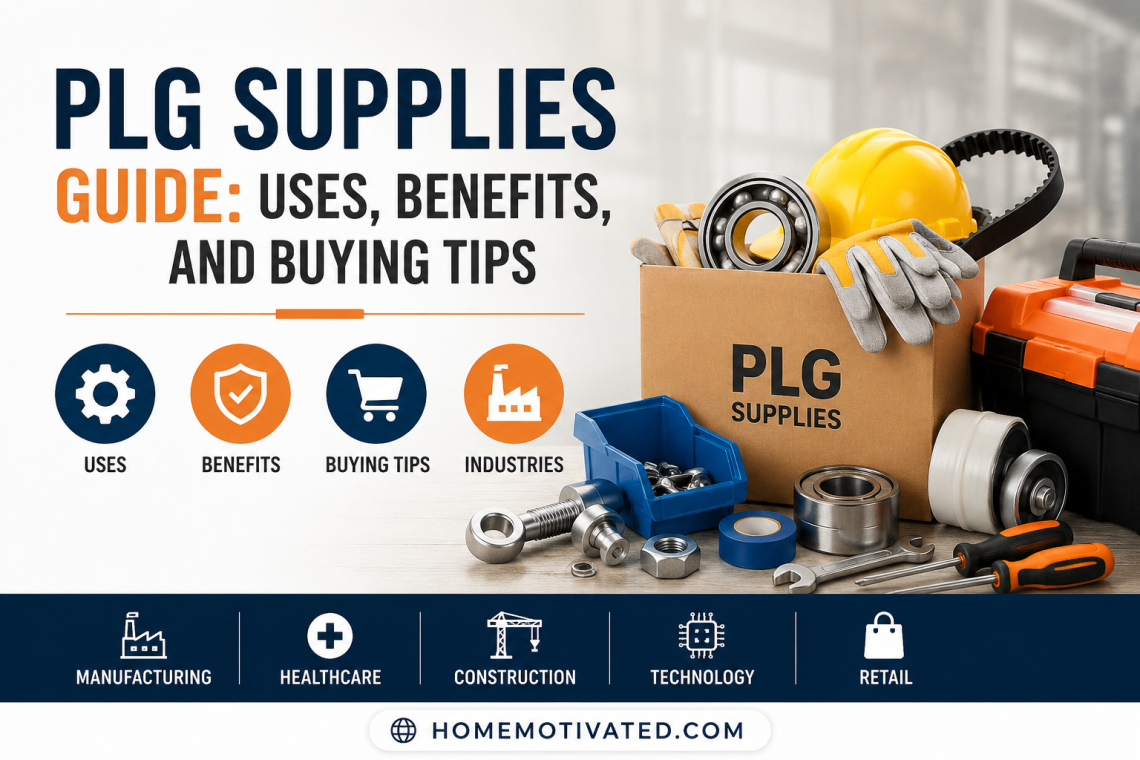
PLG Supplies Guide: Uses, Benefits, and Buying Tips
Businesses today depend on smooth operations powered by reliable and efficient supplies—and that’s where PLG supplies come in. Though often overlooked or misunderstood, they play an important role across different industries, from technology to industrial work. Learning what PLG supplies are and how they work can open up new opportunities to improve performance and productivity in your business. In this guide, we’ll break down their meaning, explore their uses and benefits, and share simple tips to help you choose the right options for your needs.
Understanding the Meaning of PLG Supplies
PLG supplies are a wide range of products used across different industries to support the full product lifecycle. The term “PLG” stands for Product Lifecycle Governance, which focuses on managing a product from its early development stage all the way to its retirement.
These supplies include raw materials, components, and production tools that help maintain quality, efficiency, and compliance at every step of the process.
In simple terms, PLG supplies ensure smooth movement through all stages—planning, design, manufacturing, distribution, and finally disposal or recycling. Understanding them helps businesses improve operations, reduce waste, and cut costs while staying competitive in today’s fast-changing market.
Two Core Definitions of PLG Supplies
PLG supplies can be understood in two ways: digital and industrial. In the digital sense, they include tools like software, analytics platforms, and customer engagement systems that help tech companies improve product-led growth and user experience.
In the industrial sense, PLG supplies refer to physical resources used in production, such as raw materials, machinery parts, and logistics support that keep operations running smoothly.
Both meanings show how important PLG supplies are across different fields. Understanding these two perspectives helps businesses use them more effectively based on their needs.
Why the Digital Definition of PLG Supplies Matters
The digital side of PLG supplies is becoming more important as businesses move toward online and connected systems. It helps companies work more efficiently by using data to make smarter decisions, reduce costs, and improve productivity.
It also encourages innovation, as new technologies continue to change how these supplies are managed and used, giving both startups and established businesses new opportunities to grow.
Another key benefit is better customer engagement—companies can understand their audience more clearly and offer more targeted solutions.
In today’s fast-moving digital world, understanding this aspect of PLG supplies is essential for staying competitive and relevant across industries.
The Industrial Interpretation of PLG Supplies
In the industrial sense, PLG supplies refer to the physical materials and components used in manufacturing, such as raw materials, metals, plastics, and specialized machinery parts.
These supplies are essential for maintaining efficiency and quality control in production. For instance, industries like automotive rely on precise, safety-approved parts to ensure durable and reliable products, with each sector having its own specific needs.
A strong supply system helps businesses improve productivity, reduce waste, and support more sustainable practices. It also allows companies to respond quickly to demand changes or disruptions without affecting operations.
Overall, managing PLG supplies effectively is key to staying efficient and competitive in today’s industrial environment.
How Context Determines the Meaning of PLG Supplies
The meaning of PLG supplies depends on the context in which they are used. In digital environments, they usually refer to tools that improve user experience and boost engagement, such as software and customer-focused solutions.
In industrial settings, however, PLG supplies mean physical materials or components used in manufacturing, where the focus is on efficiency, performance, and functionality rather than user interaction.
Different industries also shape their own understanding based on their needs—for example, what is essential in tech may not be as important in construction or healthcare.
Recognizing these differences helps businesses make better decisions, align strategies with their industry, and manage supply chains more effectively.
Core Categories of PLG Supplies
PLG supplies include different categories designed for various industry needs. One key group is consumables, such as adhesives, coatings, and cleaning materials used in everyday operations.
Another important category is tools and equipment, which includes machines and instruments used in production and maintenance work.
Safety gear is also essential, covering protective equipment that keeps workers safe across different environments.
Finally, logistics and storage solutions help manage inventory efficiently, reduce waste, and keep operations running smoothly.
Together, these categories ensure PLG supplies support productivity, safety, and efficiency across industries.
Industries That Depend on PLG Supplies
Many industries rely on PLG supplies to keep their operations efficient and well-organized. In manufacturing, they play a key role in ensuring smooth production, safety, and consistent quality.
The healthcare sector uses them to maintain hygiene standards and support effective patient care in hospitals and clinics.
In construction, PLG supplies are essential for both safety equipment and building materials, helping ensure strong and secure projects.
The technology industry depends on them for assembly and product development, supporting innovation and stable workflows.
Retail businesses also use PLG supplies for packaging and product displays, improving presentation and customer experience. Together, these industries show how important PLG supplies are for productivity and growth.
Key Uses of PLG Supplies in Different Sectors
PLG supplies are widely used across different industries to improve efficiency and daily operations. In healthcare, they help manage patient data and improve communication between medical teams.
In manufacturing, they support production tracking and ensure consistent quality control throughout the process.
The education sector uses them to integrate technology into classrooms, making learning more interactive and effective.
Retail businesses rely on PLG supplies to manage inventory and streamline supply chains, ensuring products are delivered on time with minimal waste.
Overall, each industry uses PLG supplies in its own way, showing how flexible and valuable they are in modern operations.
Read More Articles!
What is Jernsenger? Meaning, Origin, and Complete Guide
Wallapix: Definition, Features, Purpose and Real Meaning
Doujen Moe Explained: Meaning, Origin, and Online Culture Guide
Glamping Economy Explained: Trends, Growth, and Future Outlook
Lyposingrass Full Guide: Uses, Facts, and Real Insights
Why PLG Supplies Are Essential for Businesses
PLG supplies are a key part of modern business operations, helping companies run smoothly and efficiently across different industries. Without them, maintaining productivity in areas like manufacturing or services would be much more difficult.
They also help businesses control costs by offering durable, high-quality materials that last longer and perform better, making budgets easier to manage.
In addition, PLG supplies support innovation by giving organizations the tools they need to try new ideas without interruptions. They also improve flexibility, allowing businesses to adapt quickly in a fast-changing market.
Overall, investing in reliable PLG supplies supports long-term growth, efficiency, and sustainability.
Benefits and Challenges of PLG Supplies in Both Industries
PLG supplies bring several advantages across industries. They improve workflow efficiency, speed up production, and help reduce lead times, leading to higher overall productivity.
They are also cost-effective, as better resource management reduces waste and lowers operational expenses. At the same time, they support consistent quality control by helping businesses meet industry standards.
However, there are challenges too. Supply chain issues can cause delays and affect availability, disrupting operations. Managing different types of PLG supplies also requires proper planning and up-to-date knowledge.
In the end, the real value of PLG supplies comes from balancing their benefits with these challenges effectively.
Best Practices for PLG Supply Management
Good PLG supply management starts with proper inventory tracking. Using modern software helps monitor stock levels in real time, preventing both shortages and excess inventory.
Regular audits are also important to keep records accurate and spot any quality or stock issues early. Doing this every few months ensures better control.
Strong teamwork between procurement, sales, and logistics helps keep everyone aligned and improves overall efficiency through better communication.
Training employees on best practices also makes a big difference, as a skilled team can handle challenges more effectively.
Finally, working with multiple suppliers reduces risk and can also help businesses get better pricing and more reliable supply options.
Read More Articles!
Plangud Meaning: Definition, Uses, and Internet Discussion
The Complete Guide to Pyntekvister in Modern Decor
What Is Messeregge? Meaning, Uses, and Why It’s Trending
How to Choose the Right Roof Truss for Your Home
What Is Crown Molding? Types, Benefits, and Installation Tips
The Future of PLG Supplies Across Industries
PLG supplies are evolving quickly as industries adapt to new technologies and changing market needs. Businesses are increasingly adopting smarter, innovative solutions to improve their supply chains.
Sustainability will also play a major role, with companies focusing more on eco-friendly materials and reducing waste to meet customer expectations and build a stronger brand image.
At the same time, automation and digital tools like real-time tracking and data analytics will make supply management faster, easier, and more efficient.
Stronger collaboration between suppliers and manufacturers will further improve delivery times and resource use, giving companies a competitive advantage.
Overall, PLG supplies will continue to be essential across industries, driving innovation, efficiency, and long-term growth.
FAQs About PLG Supplies
What are PLG supplies?
PLG supplies are products and materials used across industries to support the full product lifecycle, from production and management to delivery and disposal.
What does PLG stand for in PLG supplies?
PLG stands for Product Lifecycle Governance, which focuses on managing a product from its development stage to its final retirement.
What are the main types of PLG supplies?
PLG supplies include consumables, tools and equipment, safety gear, and logistics or storage solutions used in different industries.
Why are PLG supplies important for businesses?
They help improve efficiency, reduce costs, maintain quality, and ensure smooth operations across manufacturing, retail, healthcare, and other sectors.
What industries use PLG supplies the most?
Industries like manufacturing, healthcare, construction, technology, and retail all rely heavily on PLG supplies for daily operations and productivity.


You May Also Like

King Size Bed Dimensions: Complete Guide to Size, Space, and Comfort

Doujen Moe Explained: Meaning, Origin, and Online Culture Guide