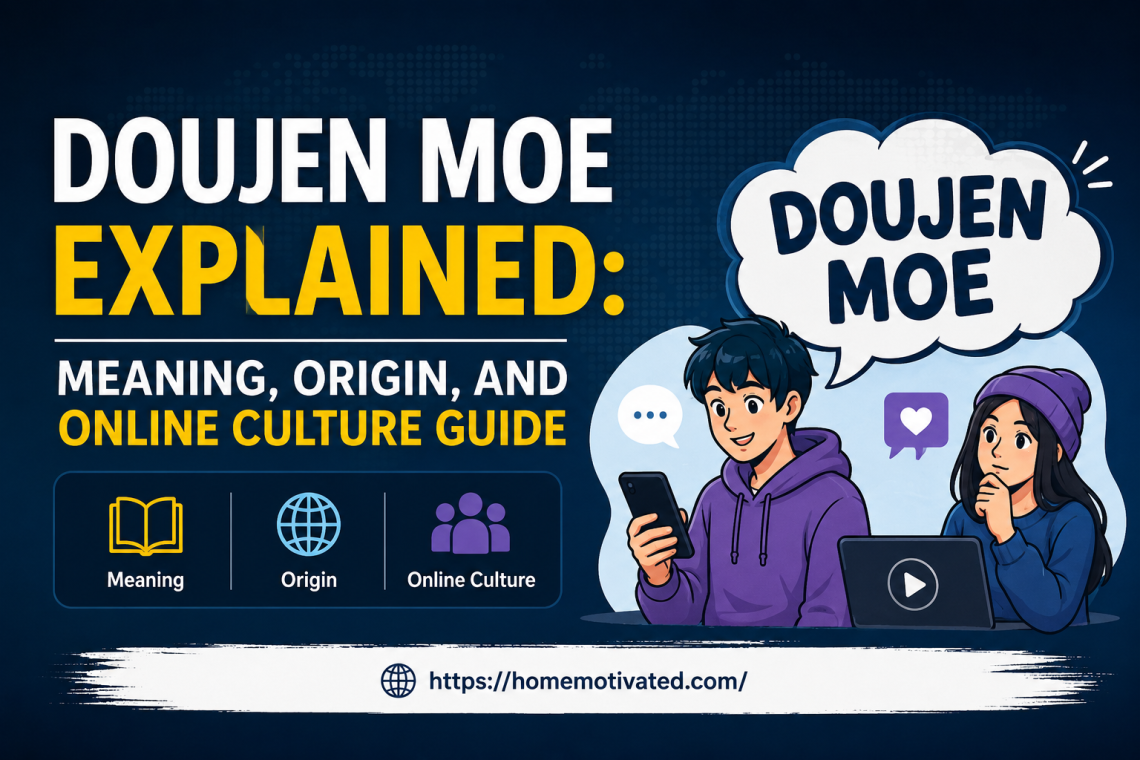
Doujen Moe Explained: Meaning, Origin, and Online Culture Guide
Doujen Moe is a unique blend of Japanese fan culture that combines “doujin” self-published creativity with “moe” emotional attachment to characters. This article explores everything about it, including its meaning, origins, and how it became a growing part of online culture. You’ll learn how doujen moe connects fans through art, storytelling, and emotional expression across digital platforms. We’ll also look at its visual style, psychology, popularity in 2026, key differences from doujinshi, and where to find this content online. Finally, we cover future trends, ethical concerns, and frequently asked questions for a complete understanding of this evolving culture.
What Is Doujen Moe?
Doujen Moe is a creative mix of two Japanese cultural ideas: doujin and moe. Together, they form a unique style that focuses on characters designed to spark strong emotional reactions in fans.
Doujin refers to self-published works like comics or fan art, where creators express their passion for existing stories and build new interpretations. Moe describes the feeling of deep affection toward characters that are cute, innocent, or emotionally appealing, creating a strong bond between fans and fictional personalities.
Combined, doujen moe becomes a vibrant form of fan-driven creativity that thrives online, where people share art, ideas, and emotional connections around the characters they love.
Understanding the Rise of Doujen Moe in Digital Culture
The rise of doujen moe highlights how fandom and digital culture have come together in a powerful way. As technology has evolved, fans and artists have found new ways to express creativity through both original and existing characters.
Social media has played a major role in spreading this trend worldwide, allowing creators to share their work beyond Japan and build global communities around shared interests. The pandemic also boosted this shift, as more people turned to online spaces for comfort, connection, and entertainment.
Today, doujen moe continues to grow because it feels relatable and emotionally engaging. With digital platforms making publishing easier than ever, artists are no longer limited by traditional methods and can freely share their fan-driven creations online.
What Does Doujen Moe Mean?
Doujen Moe combines two Japanese cultural ideas: doujin and moe. Doujin refers to fan-made or self-published works such as manga, novels, art books, or music created by independent artists and enthusiasts.
Moe describes the emotional attachment people feel toward characters in anime, manga, or games—often a mix of affection, admiration, and innocence. When brought together, doujen moe represents fan-created content designed to evoke strong emotional connections with characters people love.
This blend has formed a creative online subculture where artists freely express their passion, resulting in deeply engaging storytelling and artwork driven by community inspiration.
Breaking Down “Doujen” (Doujin) and “Moe” Separately
Doujin refers to self-published works like comics or novels, created by artists and writers outside traditional publishing. This freedom allows creativity to grow, especially in Japan’s doujin culture, showcased at events like Comiket where fans share their work.
Moe, on the other hand, describes the warm emotional feeling people get toward cute or innocent characters in anime and manga. It has become an important part of otaku culture.
When combined as doujen moe, it brings together creative expression and emotional connection, forming a unique style of storytelling and art that resonates strongly in today’s digital fan communities.
The Origins and Cultural Roots of Doujen Moe in Japan
Doujen Moe has its roots in Japanese pop culture, especially the doujinshi movement that started in the late 1970s. This grassroots scene gave amateur artists the freedom to create and share work outside traditional publishing limits.
The idea of moe came later, expressing emotional affection for fictional characters in anime and manga, which shaped new artistic styles over time. Together, doujen moe reflects both personal creativity and fan-driven expression.
Events like Comiket helped this culture grow by connecting creators directly with fans. This close interaction built a strong community, and today doujen moe continues to thrive as a creative and emotional form of storytelling in Japan and beyond.
The Role of Doujinshi Culture, Comiket, and Fan Publishing
Doujinshi culture is a key part of doujen moe, built around independent artists and writers who create fan works inspired by anime and manga. This open environment encourages creativity, variety, and personal expression.
At the center of it all is Comiket (Comic Market), a massive event in Tokyo held twice a year where creators and fans meet directly. It’s a place to discover and buy unique self-published works that often aren’t available anywhere else.
Fan publishing also helps new creators grow by giving them freedom to experiment without commercial pressure. This strong connection between creators and fans keeps the culture alive, driven by shared passion and constant creative exchange.
Key Characteristics and Visual Style of Doujen Moe Content
Doujen Moe stands out for its bright, colorful, and playful visual style that makes it instantly recognizable. The artwork often uses soft, whimsical designs that feel light and engaging.
Characters are a major focus, usually drawn with large expressive eyes and exaggerated emotions to enhance their cuteness and emotional appeal. This style is meant to create a warm, affectionate response from viewers.
Stories often mix everyday life with fantasy elements—like school scenes blended with imaginative adventures. By combining anime-inspired techniques with a friendly, accessible look, doujen moe appeals to both long-time fans and newcomers, creating a space where emotional connection and creativity naturally thrive.
Read more Articles!
Glamping Economy Explained: Trends, Growth, and Future Outlook
Lyposingrass Full Guide: Uses, Facts, and Real Insights
Plangud Meaning: Definition, Uses, and Internet Discussion
The Complete Guide to Pyntekvister in Modern Decor
What Is Messeregge? Meaning, Uses, and Why It’s Trending
The Psychology Behind Doujen Moe and Emotional Attachment
Doujen Moe connects with people by combining expressive art and emotional storytelling that often triggers strong feelings in fans.
Its characters are designed to feel lovable and relatable, using features like big eyes and playful expressions that quickly create a sense of attachment. Many viewers even see parts of themselves in these characters.
The stories often focus on universal themes such as friendship, love, and adventure, which makes them easy to connect with across different backgrounds.
This emotional bond grows even stronger through online communities, where fans share ideas and interpretations. Over time, doujen moe becomes more than just art—it turns into a shared space of connection and belonging.
Why Doujen Moe Is Growing in Popularity in 2026
Doujen Moe is growing rapidly in 2026 because digital platforms now make it easy for creators to share their work and reach a global audience. This openness also allows more diverse voices and ideas to shape the community.
Social media like Twitter and TikTok helps artwork spread quickly, often going viral and letting fans interact directly with artists, which strengthens engagement and collaboration.
At the same time, niche cultures like anime and manga are becoming more accepted in mainstream media, boosting interest in doujen moe’s emotional and creative style.
With rising awareness of mental health, many people are also drawn to comforting and nostalgic art forms, and doujen moe fits that need by offering both creativity and emotional connection.
Doujen Moe vs Doujinshi: Differences, Legal Issues, and Considerations
Doujen Moe and doujinshi are closely related but not the same. Doujinshi refers to a wide range of self-published works, including fan-made comics and original stories across many genres.
Doujen moe, however, focuses more on a specific style centered around cute, emotionally appealing characters that create a deeper emotional experience for fans.
There are also legal considerations, especially around copyright, since fan works can fall into gray areas when they use existing characters or ideas. The moe style can make this even more complex due to its use of familiar traits and themes.
Beyond legality, there’s ongoing discussion within fan communities about what feels “authentic,” which continues to shape how both doujinshi and doujen moe are created and shared online.
Popular Platforms and Where to Find Doujen Moe Content
If you want to explore doujen moe, there are several popular places to start. Platforms like Pixiv act as a major hub where artists share their work and fans gather to view and discuss different styles.
Twitter is also widely used, where creators post previews and short updates, and hashtags help people discover trending art and new artists quickly.
For physical works, events like Comiket are a key destination, giving fans a chance to buy directly from independent creators.
Online stores such as Booth and Melonbooks also make it easy to access both digital downloads and physical copies. Together, these platforms keep the doujen moe community active and constantly growing.
Read more Articles!
How to Choose the Right Roof Truss for Your Home
What Is Crown Molding? Types, Benefits, and Installation Tips
How to Wash Couch Cushion Covers Without Damaging Fabric
How to Clean Concrete Patio Fast
What is Simpcoty? A Fun Way to Get Organized
Future Trends, Ethical Concerns, and Final Thoughts on Doujen Moe
Looking ahead, doujen moe is expected to keep evolving as digital art and fan culture continue to grow. With better technology and more online platforms, creators can build richer and more immersive experiences for fans.
At the same time, there are important ethical concerns, especially around copyright and the use of original content. Finding a balance between creativity and respecting creators’ rights will play a big role in its future.
As the audience becomes more global, doujen moe may also expand into new styles, themes, and storytelling approaches that connect with people worldwide.
Overall, it is more than just a passing trend. Doujen moe remains a passionate, community-driven space that blends emotion and creativity, and it will likely continue shaping online fan culture for years to come.
FAQS about Doujen Moe!
What does moe mean in BL?
In BL (Boys’ Love) content, “moe” means a strong feeling of affection or emotional attachment toward characters. It is not about romance only—it describes when fans find characters very cute, lovable, or emotionally appealing. In BL stories, moe often happens when readers feel a deep emotional connection to the characters’ personalities, relationships, or emotional moments.
What is the meaning of doujinshi anime?
Doujinshi anime refers to self-published works made by fans or independent creators. These works can include comics, stories, or art based on popular anime, manga, or original ideas. Doujinshi is usually created outside official publishing companies, allowing creators to freely express their imagination and share fan-made versions of characters or new stories.
What is the moe era of anime?
The “moe era” of anime refers to a time when anime became more focused on cute, emotional, and character-driven storytelling. During this period, many shows highlighted soft, lovable characters designed to create strong emotional bonds with viewers. This style became very popular in modern anime culture and helped shape many fan communities online.
What is the moe genre in anime?
The moe genre in anime focuses on characters that are designed to feel cute, innocent, and emotionally attractive to fans. The main goal is not action or deep plot, but to create feelings of warmth, care, and emotional attachment. Fans enjoy this genre because it makes them feel connected to the characters in a soft and comforting way.


You May Also Like
What is Simpcoty? A Fun Way to Get Organized

Lesbufy: Meaning, Features, How It Works, and Complete Guide