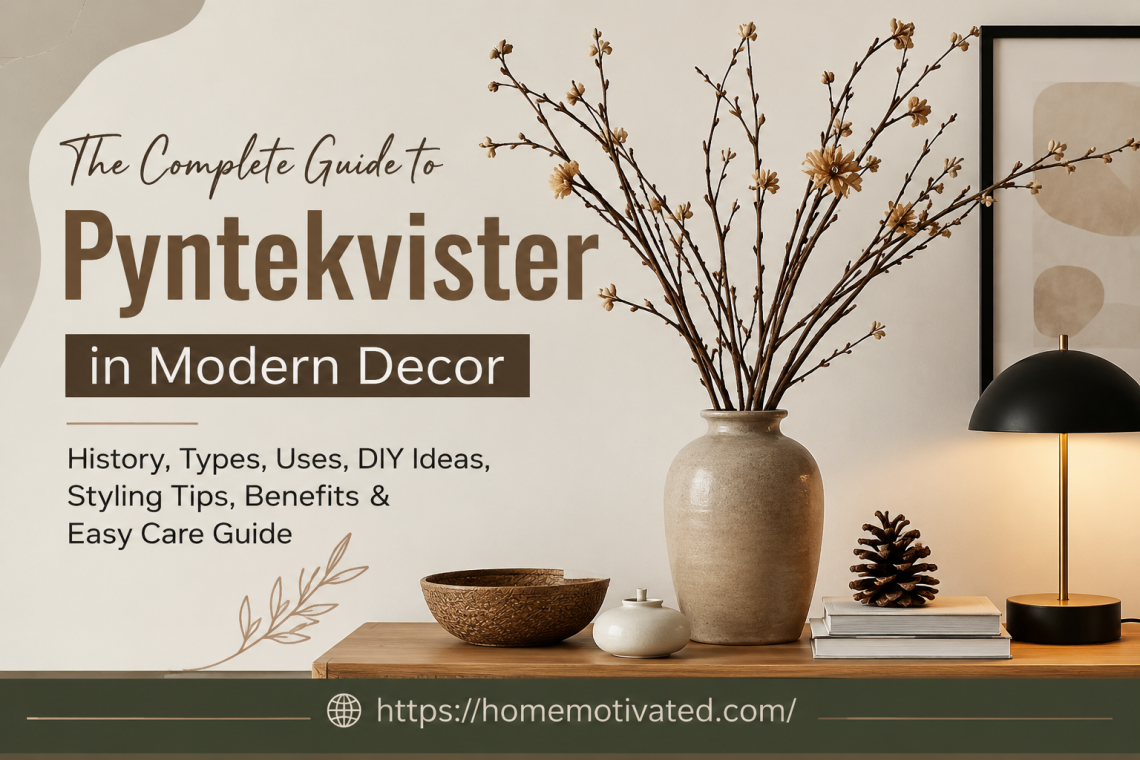
The Complete Guide to Pyntekvister in Modern Decor
Pyntekvister are now widely used in modern interior design, combining natural beauty with creative style. This guide covers everything you need to know, including their meaning, history, and traditional origins, as well as why they are trending today. You’ll also learn about different types like natural and painted designs, plus how they are used in homes, art, and fashion. It also includes simple DIY ideas, styling tips, eco-friendly benefits, and easy care methods to keep them looking beautiful.
What Are Pyntekvister?
Pyntekvister are nature-inspired decorative pieces with organic shapes and artistic designs, rooted in traditional craftsmanship.
They can be made from natural materials like twigs and leaves or creatively crafted using paint and fabric.
In modern decor, they are valued for their versatility, adding natural texture and warmth to any space while blending easily with different interior styles.
History and Origin of Pyntekvister
Pyntekvister come from Scandinavian traditions where natural elements were used in decoration to create harmony between indoor spaces and nature.
Early artisans designed them using organic shapes inspired by plants and wildlife.
Over time, different regions in Europe adapted the style, creating many variations.
What began as simple decor has now evolved into a modern design element that still reflects its traditional roots.
The Origins of Pyntekvister in Traditional Design
Pyntekvister come from traditional Scandinavian craftsmanship, inspired by nature and made using local materials like wood and fabric.
Each design reflected cultural identity and was often used to bring warmth and beauty to homes during special occasions.
Over time, the style evolved but kept its traditional roots, and today it continues to inspire modern decorative designs.
Why Pyntekvister Are Becoming So Popular Today
Pyntekvister are gaining popularity in modern interior design because they add natural warmth, texture, and personality to any space.
They also align with eco-friendly trends since they are often made from natural materials.
Social media and influencers have helped boost their appeal by sharing creative styling ideas.
Their versatility allows them to fit both rustic and modern interiors, combining a traditional feel with contemporary design.
Types of Pyntekvister (Natural, Artificial, Painted)
Pyntekvister come in three main types: natural, artificial, and painted.
Natural ones offer an authentic, organic feel with unique textures and colors, making each piece special.
Artificial pyntekvister are low-maintenance and durable, designed to look like real ones while lasting longer and staying easy to care for.
Painted pyntekvister add a creative touch with different colors and artistic designs, perfect for adding personality and a modern style to any space.
Traditional Pyntekvister Techniques and Materials
Traditional Pyntekvister are made using natural materials like wood, twigs, dried flowers, and leaves, showing a strong connection to nature.
Artisans shape them into decorative patterns and often add hand-painted details for a unique touch.
Each piece reflects skilled craftsmanship and blends tradition with natural, timeless beauty.
Modern Adaptations of Pyntekvister in Interior Design
Modern Pyntekvister bring a natural, calming touch to interior design. They are often used in minimalist spaces to create focal points and add warmth to simple layouts.
Designers use them in different ways—painted or oversized pieces work as statement decor, while their organic shapes help blend nature with modern interiors.
In open spaces, they can also subtly divide areas and look even more beautiful with soft lighting effects.
The Influence of Pyntekvister in Art, Fashion, and Home Decor
Pyntekvister influence art, fashion, and home decor by blending traditional natural patterns with modern design.
Artists use their textures as inspiration, while fashion designers turn them into unique fabric prints.
In interiors, they appear in wallpapers and textiles, adding warmth and style.
Social media has also helped spread their popularity, making them a trendy and versatile design element.
How Pyntekvister Is Used in Modern Home Decoration
Pyntekvister are used in modern home decor to add warmth, style, and personality to spaces like living rooms and bedrooms.
Their detailed designs often act as eye-catching focal points.
They are also used in dining areas for table styling and centerpieces.
Natural versions suit earthy interiors, while painted styles give a more modern and creative look.
How to Use Pyntekvister in Your House Decor (Styling Ideas)
Pyntekvister can make any home feel cozy and stylish.
Use them as a focal point in the living room or hang small pieces above the bed for a warm, inviting look.
Painted versions add color to kitchens or bathrooms, while natural ones pair well with indoor plants for a natural vibe.
You can also change them seasonally to keep your decor fresh throughout the year.
Read more!
What Is Messeregge? Meaning, Uses, and Why It’s Trending
How to Choose the Right Roof Truss for Your Home
What Is Crown Molding? Types, Benefits, and Installation Tips
How to Wash Couch Cushion Covers Without Damaging Fabric
How to Clean Concrete Patio Fast
DIY Pyntekvister Projects and Creative Ideas
DIY Pyntekvister projects are an easy way to add a personal touch to your home.
Use natural materials like twigs, branches, or dried flowers for a simple, organic look.
You can paint them for a modern style, mix textures like twine for detail, or add seasonal elements such as pine cones or flowers.
Experimenting with shapes and sizes helps you create unique decor that matches your personal style.
How to Create Your Own Pyntekvister at Home
Creating Pyntekvister at home is simple and creative. Start with natural materials like twigs, branches, or dried flowers that match your style.
Attach them to a base like wood or cardboard using glue or wire, then add paint or small decorations for extra detail. Finally, display your piece on a shelf or table as a unique handmade decor item.
Benefits of Using Pyntekvister for Eco-Friendly Decorating
Pyntekvister are an eco-friendly decor choice made from natural and often recycled materials, helping reduce environmental impact.
They support sustainability through upcycling and may improve indoor comfort by adding natural elements to your space.
They also bring a warm, nature-inspired look to interiors while supporting local artisans and communities.
Read more!
What is Simpcoty? A Fun Way to Get Organized
Tortellinatrice: Meaning, Uses, Benefits & Buying Guide
Çbiri Explained: Definition, Origin, and Real Meaning
Back Casting Room Process Explained: Step-by-Step Guide for Beginners
Queen Size Blanket Dimensions: Everything You Need to Know Before Buying
Maintenance, Care, and Final Tips for Pyntekvister Designs
Pyntekvister are easy to care for with simple maintenance. Natural ones should be gently dusted, while artificial pieces can be cleaned with a damp cloth.
Painted designs may need occasional touch-ups if they fade.
Keep them away from direct sunlight and humid areas to maintain their color and quality.
Rotating and spacing them well also helps preserve their beauty and keeps your decor fresh.
Frequently Asked Questions (FAQs) about Pyntekvister
What does Pyntekvister mean?
Pyntekvister means decorative branches or natural-style design pieces used to make home decor look more beautiful. The word is linked to nature-inspired decoration, where twigs, branches, or plant-like shapes are used to create artistic designs for interiors.
Are Pyntekvister made from real branches?
Yes, Pyntekvister can be made from real natural branches like twigs and dried plants. However, they can also be artificial or painted versions made from other materials. Both types are used in decoration depending on style and preference.
How do you decorate with Pyntekvister?
You can decorate with Pyntekvister in many simple ways. People place them in vases, hang them on walls, or use them as table centerpieces. They are often used in living rooms, bedrooms, and dining areas to add a natural and stylish touch.
How do you maintain decorative Pyntekvister?
Taking care of Pyntekvister is easy. Natural ones should be gently dusted with a soft cloth, while artificial ones can be cleaned with a slightly damp cloth. It is also best to keep them away from strong sunlight and moisture to maintain their look.
Why are Pyntekvister popular in modern interior design?
Pyntekvister are popular because they bring a natural, calm, and stylish feel to any space. They match many decor styles, from simple modern rooms to traditional designs. Their eco-friendly look and creative designs also make them a favorite choice for home decoration.


You May Also Like

How to Choose the Right Roof Truss for Your Home

Queen Size Blanket Dimensions: Everything You Need to Know Before Buying