Benefits of Window Tinting for Home: Is It Really Worth the Investment?
If you’re searching for the real benefits of window tinting for home use, here’s the short answer: it lowers your energy bills, blocks harmful UV rays that fade your furniture, adds privacy without blocking natural light, cuts down on glare, and gives your windows a cleaner, more finished look. It’s a small upgrade with a surprisingly long list of payoffs, and unlike a lot of home improvements, you start noticing the difference almost immediately.
Now let’s get into why each of these benefits actually matters, because the details make a bigger difference than most people expect.
A friend of mine kept complaining about her west-facing living room getting unbearably hot every evening, no matter how high she cranked the AC. Turns out, that’s an incredibly common problem, and the fix isn’t always a bigger air conditioner — sometimes it’s something as simple as applying window tint film for home use. Below, we’ll break down each benefit in detail, look at the different types of window film available, and help you figure out whether it’s the right investment for your house.
What Is Home Window Tinting, Exactly?
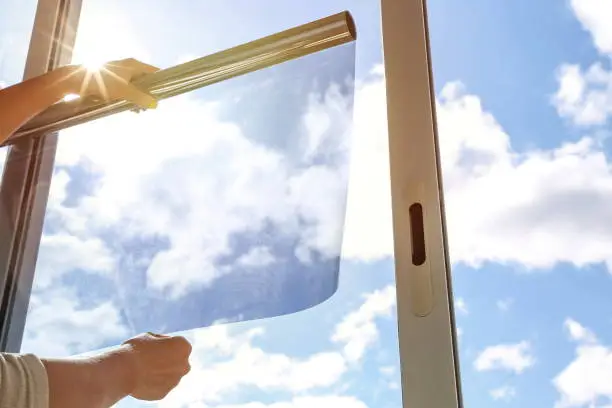
Window tinting involves applying a thin film to the interior (or sometimes exterior) surface of your windows. This film is designed to filter sunlight, block harmful rays, and regulate the amount of heat that passes through the glass. It’s not just the dark, mirror-like tint you see on car windows — residential window film comes in many varieties, including nearly clear options that don’t change the look of your windows at all while still offering protection.
The film itself is usually made of polyester layers with a special coating that reflects or absorbs specific wavelengths of light. Depending on the type you choose, it can block heat, glare, UV rays, or all three at once.
1. Lower Energy Bills Throughout the Year
One of the most practical benefits of window tinting for home use is the impact it has on your energy bills. Standard glass windows allow a huge amount of solar heat to pass straight through, which means your air conditioner has to work overtime during summer just to keep the house comfortable.
Window film helps by:
- Blocking a significant portion of solar heat before it even enters the room
- Reducing the strain on your HVAC system, which means less frequent cooling cycles
- Helping retain indoor warmth during colder months, since some films also act as a layer of insulation
Over time, this reduced HVAC workload adds up to noticeably lower electricity bills — and unlike a lot of home upgrades, window film tends to keep paying for itself year after year rather than being a one-time cosmetic fix.
2. Protection From Harmful UV Rays
This is a benefit that often gets overlooked, but it’s honestly one of the most important. Sunlight doesn’t just bring heat into your home — it also brings ultraviolet rays that can affect both your health and your belongings.
Quality window film for home windows can block the vast majority of incoming UV radiation. This matters for two reasons:
- Skin protection: If you spend a lot of time near windows (working from home, relaxing by a sunny spot, etc.), reducing UV exposure indoors is a small but meaningful health benefit.
- Furniture and flooring protection: UV rays are notorious for fading curtains, wooden furniture, carpets, and even artwork over time. Tinted windows act like an invisible shield, helping your interior stay looking newer for much longer.
If you’ve ever noticed a faded patch on your sofa or rug exactly where the sunlight hits, that’s UV damage in action — and it’s completely preventable with the right film.
3. Better Privacy Without Losing Natural Light
Privacy is usually one of the first things people mention when they’re considering home window tinting, and for good reason. Certain types of window film allow you to enjoy daylight pouring into your room while making it much harder for people outside to see in clearly.
This is especially useful for:
- Ground-floor rooms facing a street or sidewalk
- Apartments or homes with windows close to neighboring buildings
- Bathrooms or bedrooms where privacy matters most
Unlike heavy curtains or blinds, which block both the view and the light, the right window film lets you keep your space bright while still maintaining a sense of privacy throughout the day.
4. Reduced Glare for Everyday Comfort
If you’ve ever tried watching TV or working on a laptop near a sunny window, you know how frustrating glare can be. It’s not just annoying — constant glare can also cause eye strain over time, especially for people who work from home.
Window tinting cuts down on this glare significantly, making it easier to:
- Use screens (TVs, laptops, monitors) without squinting or adjusting angles constantly
- Read or relax near windows without the harsh brightness
- Keep rooms feeling naturally lit without the discomfort that comes with direct, intense sunlight
It’s a small change that ends up making a noticeable difference in how comfortable a room feels throughout the day.
5. A More Finished, Modern Look
While the practical benefits are the main draw, it’s worth mentioning that window tinting also gives your home’s exterior a sleeker, more polished appearance. Many homeowners like the subtle, uniform look it gives to windows from the outside, especially compared to mismatched curtains or blinds that are visible through the glass.
Depending on the film you choose, you can go for a barely-there look that simply enhances the glass, or something with more visible tint for a bolder aesthetic. Either way, it’s a low-effort upgrade that contributes to overall curb appeal.
6. Long-Term Value for Your Home
Window film isn’t something you’ll need to replace every year or two. High-quality residential films are built to last well over a decade, which means the benefits — energy savings, UV protection, privacy, and comfort — keep compounding over a long period without much additional effort on your part.
Some homeowners also find that energy-efficient upgrades like window tinting can be a small selling point when it comes time to move, since buyers increasingly look for homes that are already set up to be more energy-efficient.
Types of Window Film to Consider
Not all window tint is created equal, and choosing the right type depends on what you’re prioritizing. A few common categories include:
- Solar/heat control film – best for reducing heat gain in sunny rooms
- UV-protective film – ideal if your main concern is protecting furniture and flooring from fading
- Privacy film – frosted or reflective options that limit visibility from outside
- Decorative film – adds a stylistic element while offering some light filtering benefits
If you’re unsure which type fits your needs, it often helps to think about your biggest frustration first — is it the heat, the glare, the privacy, or the fading furniture? That usually points you toward the right film.
Is Window Tinting Worth It for Your Home?
At the end of the day, window tinting is one of those upgrades that quietly improves your daily comfort without requiring major renovation work. It’s not as flashy as a kitchen remodel, but the combination of energy savings, UV protection, privacy, and reduced glare makes it a genuinely practical investment for almost any home.
If you’ve been dealing with overheated rooms, faded furniture, or that uncomfortable feeling of being visible from outside, window tinting might be the simple fix you didn’t know you needed.
Frequently Asked Questions
How long does window tint film last on home windows? High-quality residential window film typically lasts 10 to 20 years, depending on the type of film, the quality of installation, and how much direct sunlight the windows get. Cheaper films may need replacing sooner, while professionally installed, premium films tend to hold up for the long haul.
Does window tinting actually reduce heat indoors? Yes. Window film blocks a large portion of solar heat before it enters the room, which is one of the main benefits of window tinting for home comfort. Many homeowners notice rooms feel noticeably cooler within days of installation, especially in spaces that get direct afternoon sun.
Will window tint make my home too dark inside? Not necessarily. Many window tint film for home options are designed to be nearly clear or only lightly tinted, so they block heat and UV rays without significantly dimming the room. If keeping natural light is a priority, look specifically for “low-visibility” or UV-blocking films rather than darker privacy films.
Is window tinting a good investment for renters or only homeowners? Window tinting is generally more practical for homeowners, since it’s considered a semi-permanent upgrade. Renters should always check with their landlord first, as removing film incorrectly can sometimes damage glass or leave residue. Some companies do offer removable, renter-friendly film options.
Can window film be applied to all types of windows? Most standard residential windows can be tinted, including single-pane and double-pane glass. However, certain windows with existing coatings or seals may need a specific type of film to avoid trapping heat between the layers, so it’s worth checking with an installer if you’re unsure.
Does window tinting help in winter, or just summer? Both. While window tinting is best known for blocking summer heat, certain films also help retain indoor warmth during colder months by adding an extra layer of insulation to the glass, which can make it a year-round benefit rather than a seasonal one.


You May Also Like
What Is Crown Molding? Types, Benefits, and Installation Tips

How to Choose the Right Roof Truss for Your Home