Gessolini Exposed: Fact, Fiction, or Something Else?
If there is one topic that continues to spark curious discussions among creative people in 2026, it is Gessolini. At first glance, the term feels mysterious, beautiful, and deeply artistic, yet its wide meaning makes it difficult to place in a single category. During my own work exploring visual design and creative branding, I began to notice how often the word appeared in conversations about modern aesthetics, originality, and design inspiration.
Some view it through the lens of art, painting, and painting surfaces, while others connect it with branding, identity, digital identity, and a distinctive online creative identity. This blend of interpretations gives Gessolini a special and interesting character that continues to attract attention.
What makes Gessolini particularly exciting is the way it combines old-world charm with a modern perspective. Its connection to artists, designers, interiors, and professional design reflects a balance between classic values and contemporary thinking. The term often brings to mind elegant details, smooth finishes, decorative finishes, surface texture, visual texture, and carefully crafted artistic surfaces that enhance visual appeal.
At the same time, it represents creative energy, creativity, imagination, inspiration, and innovation, making it relevant to current creativity trends, artistic trends, and evolving creative concepts. Whether discussed as a creative style, conceptual style, or a source of artistic expression, Gessolini carries a sense of sophistication, elegance, artistic charm, and timeless appeal.
The growing interest in Gessolini also comes from its strong connection to meaning, expression, and visual communication. People often associate it with aesthetic values, refined aesthetics, artistic identity, visual identity, and distinctive design concepts that help shape a memorable style.
Its influence can be seen in decorative design, craftsmanship, refined appearance, interior looks, and other forms of artistic innovation that emphasize depth, texture, and visual feel. Because of its simple, clear, and easy to understand appeal, Gessolini remains an attractive subject for anyone interested in cultural influence, artistic value, modern style, creative style, stylistic elements, and the ongoing evolution of the artistic movement.
What Is Gessolini?
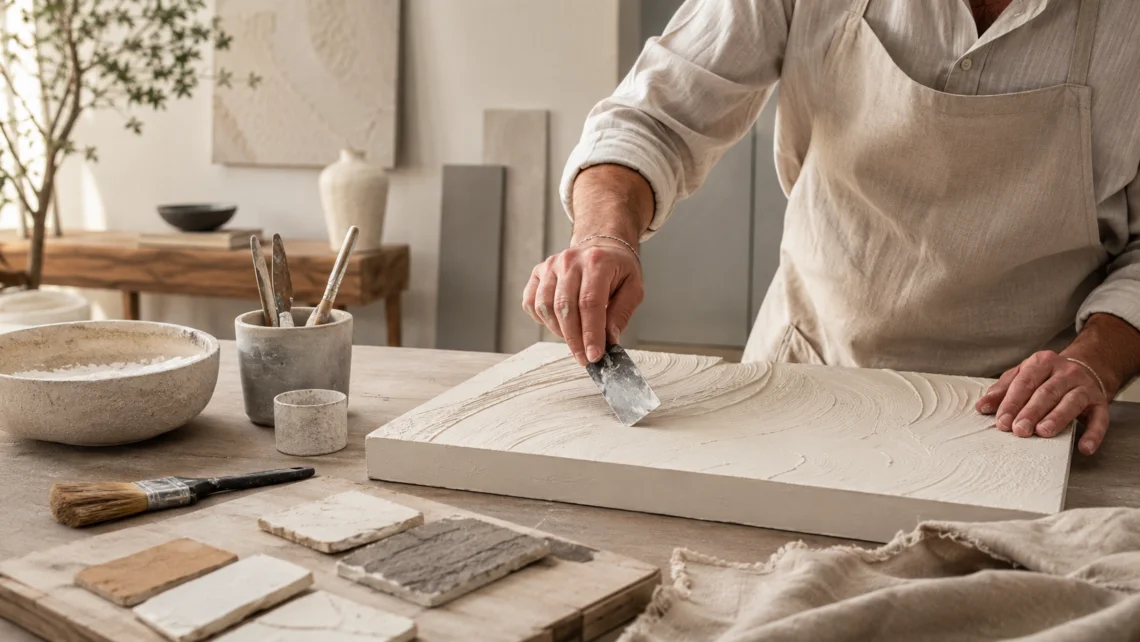
From my experience working with artistic and conceptual design topics, Gessolini often appears as a refined, creative idea that blends smooth texture with elegant surfaces and clear artistic beauty. It is closely connected to art materials like gesso, especially the idea of a surface layer used by artists in painting. This gives it a strong link to painting, material, and even a deeper sense of painting base and artistic surface, which makes it feel both soft, balanced, polished, and naturally beautiful in visual understanding.
At the same time, Gessolini is not only a material idea but also a style idea that shapes design look, visual style, and modern aesthetics. It is often described as a modern style word used in design, interior design, and broader visual identity discussions. Because of its unusual nature, it is sometimes hard to define, leading to ongoing discussion around its true meaning.
In different contexts, it represents refinement, smooth, thoughtful, and deeply artistic qualities, showing a strong link between creativity, expression, craftsmanship, and inspiration, while also reflecting originality, sophistication, and a strong aesthetic value in modern conceptual design.
The Origin and Meaning of Gessolini
The origin of Gessolini is often discussed in creative and artistic communities, but there is still a lot of mystery around it. Some people believe Gessolini comes from an artistic idea or style name used to describe a unique visual approach. Others think it is a modern coined term that represents creativity without strict rules.
What makes Gessolini interesting is that it does not have one fixed definition. Instead, it is shaped by how people use it in different contexts. In simple words, Gessolini can be seen as a flexible idea that stands for creative expression, imagination, and originality.
Because of this open meaning, Gessolini has started to attract attention from artists, designers, and content creators who enjoy freedom in their work.
What Makes Gessolini Unique?
The uniqueness of Gessolini lies in its flexibility and creative freedom. Unlike traditional styles that follow strict rules, Gessolini allows people to experiment without limits.
Another unique point about Gessolini is that it can change depending on the creator’s vision. For one person, Gessolini might mean bold colors and abstract shapes. For another, it might represent soft tones and minimal design.
This freedom makes Gessolini feel fresh and modern. It encourages people to think outside the box and create something truly personal instead of copying existing trends.
What Is Gessolini Made Of?
From my experience studying material science in artistic process and design surface work, Gessolini is often explained as a carefully mixed material made from simple materials and useful parts. It usually includes chalk, calcium carbonate, marble dust, glue, binders, and pigments, forming a strong chemical base with natural minerals. These ingredients work together in a mix that creates a soft mineral base, improving texture, strength, and richness, while giving a controlled subtle visual tone and stable surface quality.
When this binding material is applied as a coating layer on a surface, it behaves in a very specific way. A good gessolini material must stick, spread, and dry properly to form a good surface that is not weak or uneven. This creates a finer texture, a more refined finish, and a purposeful composition with strong adhesive properties and structural integrity.
Over time, the creative mixture becomes a functional blend that forms a beautiful, crafted, and artistic surface, often used as a painting base, showing a clear connection between craftsmanship, design material, and aesthetic finish.
The Look and Feel of Gessolini in Modern Design
From my experience in design thinking and creative design, Gessolini is often described as a smooth, pale, and matte artistic surface that quietly draws attention without being loud or flashy. It has a softly textured surface that feels calm, clean, and naturally elegant when you first notice it.
The touch is never slippery or harsh; instead, it feels soft, with a gentle chalky body, fine grain, and a soft finish that adds real depth and a strong sense of crafted material perception. Visually, it carries soft natural tones, a light grayish-straw look, and a balanced tone that feels both warm and modern, yet never too cold or overwhelming.
What makes Gessolini even more interesting is how it supports a strong visual identity built on minimalism, design aesthetics, and aesthetic value. It reflects a refined appearance through muted tones, color palette, and tonal harmony, creating a calm visual balance that fits well in contemporary design and interior style.
In my own design talk experience, I’ve seen how it works as a creative idea that connects sensory experience, tactile quality, and surface feel into one crafted surface. It feels quietly powerful, offering a thoughtful, gentle charm that reduces noise and brings a sense of calm look, visual calm, and aesthetic mood, making it a strong source of design inspiration and artistic refinement.
How Artists and Designers Use Gessolini
Artists and designers often use Gessolini as inspiration rather than a strict rulebook. In visual art, Gessolini can guide the use of shapes, colors, and composition in a more expressive way.
For example, a digital artist might use Gessolini ideas to mix realistic elements with abstract patterns. A graphic designer might apply Gessolini principles to create unique posters, logos, or branding materials that stand out.
Because Gessolini is not limited to one style, it gives artists the confidence to try new things without fear of breaking rules. This is one of the main reasons it is becoming popular in creative spaces.
Gessolini’s Impact on Modern Art and Design
The influence of Gessolini on modern art and design is growing steadily. Many modern creators are looking for ways to move away from traditional design rules, and Gessolini provides that opportunity.
In modern art, Gessolini encourages experimentation. Artists feel more free to combine different styles, textures, and ideas. This leads to more unique and eye-catching artwork.
In design, Gessolini helps create visuals that feel fresh and different from standard templates. This is especially useful in digital media, where originality is very important to grab attention.
Why Gessolini Is Gaining Popularity
The popularity of Gessolini is increasing because people today love creativity and originality. In a world full of repeated designs and content, Gessolini offers something different.
Social media has also played a big role in spreading Gessolini. Artists and creators share their work online, and when others see unique styles labeled under Gessolini, they become curious.
Another reason is that Gessolini is easy to adapt. Anyone can try it without needing advanced skills or strict training. This makes it attractive for beginners as well as professionals.
Why Creative Professionals Are Drawn to Gessolini
Creative professionals are always searching for fresh inspiration, and Gessolini provides exactly that. It does not limit them to one direction, which is very important in creative industries.
Designers, illustrators, and digital artists often feel stuck when trends become too repetitive. Gessolini helps break that cycle by encouraging experimentation and personal expression.
It also allows professionals to build a unique identity. Instead of following the same style as everyone else, they can use Gessolini as a base to develop something original and recognizable.
Gessolini in Branding, Digital Media, and Visual Identity
In branding and digital media, Gessolini is becoming a useful creative approach. Brands today want to stand out, and using Gessolini-inspired ideas can help them do that.
For example, a brand may use unusual color combinations or abstract visuals inspired by Gessolini to attract attention. This makes their identity more memorable.
In digital media, Gessolini helps create engaging content for websites, social media posts, and advertisements. It supports storytelling through visuals that feel modern and creative.
Simple Ways to Apply Gessolini-Inspired Ideas
Even if you are not a professional artist, you can still use Gessolini ideas in simple ways. One way is to experiment with colors you normally would not combine.
Another way is to try abstract drawing or design without worrying too much about perfection. Gessolini is all about expression, not strict rules.
You can also explore different styles in digital apps, mixing shapes and textures freely. The key is to stay creative and open-minded while using Gessolini inspiration.
The Future Potential of Gessolini in Creative Style
From my experience in design thinking and creative interpretation, Gessolini is often seen as more than just a passing trend. It carries strong lasting value and real staying power because it connects with deeper creative needs of people who are looking for texture, calm beauty, and natural tones in modern creative identity.
These ideas feel meaningful, not empty, and that is why the word continues to stay relevant across many creative areas, including surface design, interior styling, and branding. Its wide reach and inner strength make it a flexible style idea that adapts easily to changing trends over time.
What makes Gessolini even more interesting is its creative flexibility and ability to connect classic influence with a fresh, modern wish for simplicity and beauty. It carries a soft link to old artistic traditions, yet it fits naturally into modern creativity, showing clear design evolution and strong cultural relevance. In my view, this balance of novelty and tradition gives it aesthetic longevity, helping it stay aligned with artistic continuity, visual harmony, and timeless appeal.
It works across material concept, finish, and mood, shaping a powerful conceptual style that reflects emotional design, modern expression, and strong stylistic diversity. This adaptability supports its role in creative framework, design influence, sensory design, and ongoing artistic trend development, pointing toward a genuinely bright future.
Common Misconceptions About Gessolini
One common misconception about Gessolini is that it is a fixed art style. In reality, it is not limited to one structure or definition.
Another misunderstanding is that Gessolini is only for professional artists. In truth, anyone can explore it, even beginners or hobby creators.
Some people also think Gessolini requires special tools or software, but that is not true. It is more about mindset and creativity than tools.
A Final Reflection on Gessolini in Modern Creative Culture
From my experience in design thinking and observing creative culture in 2026, Gessolini stands out as something special that carries many beautiful ideas in one place. It connects art, design, texture, and elegance with a modern style that feels soft and natural, yet still leaves a strong impression. It is never loud, harsh, or flashy, but instead creates a calm and lasting visual mood that feels both interesting and deeply useful for artist, designer, and creator communities who are always searching for fresh ideas.
In my view, what makes Gessolini truly exciting is its wide meaning across painting surfaces, materials, interior design, and branding, where it shapes a unique visual identity and thoughtful style. It reflects a balance of aesthetic depth, aesthetic balance, and visual harmony, built on strong design philosophy, artistic value, and conceptual design.
As the world moves through fast trends, crowded visuals, and ongoing cultural evolution, Gessolini offers a more calmer direction rooted in timeless style, creative expression, and emotional design. For me, it feels like a word worth watching, as it continues to evolve with innovation, creative mindset, and growing design language, leaving behind quiet lessons about beauty, texture, and meaningful impression.


You May Also Like