Why Is Water Backing Up in Tub? Shocking Truth!
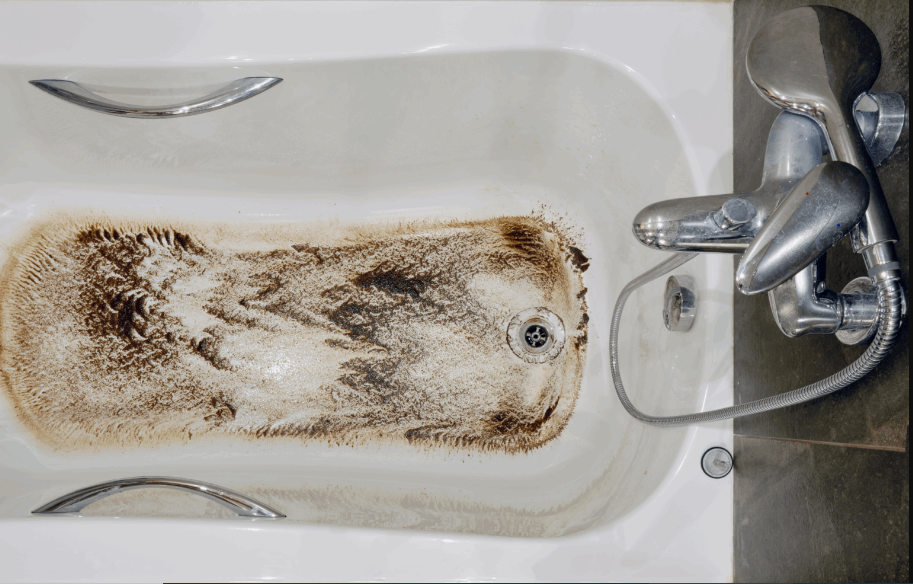
For many homeowners, few things feel more confusing than water backing up in tub when everything seems normal. Imagine finishing a shower or bath only to see dirty water pooling in the bathtub or tub, sometimes draining slowly instead of flowing out through the drains.
Instead of the water moving away through the pipes, it can reverses direction and fills tub, leaving dirty water in tub or water pooling in bathtub. This kind of water backing up situation is a clear warning sign that something inside the plumbing system is not working the way it should.
In many homes, the issue becomes noticeable when you flush the toilet, run the sink, or use another fixture like a washing machine. Suddenly there is bubbling water or water bubbling appearing in the bathtub drain, almost like the drains cannot drain out properly.
In reality, drains take water away from the house, not send water somewhere else, so seeing water moving wrong direction can create a real panic moment. I have personally seen people start Googling on phone immediately, wondering what’s wrong and how bad it is.
Water Backing Up In Tub – The answare is!
Water backing up in the tub happens when water cannot flow properly through the drains and instead returns into the bathtub, often showing as dirty or bubbling water. This is usually caused by a clogged drain, blockage in the main sewer line, or a deeper plumbing issue in the system. The bathtub is often affected first because it is typically the lowest drain, so water follows the easiest path and comes up there. It may look simple, but it is a warning sign that needs quick attention to prevent bigger plumbing problems.
Often the common causes behind this frustrating problem or puzzling problem are related to clogged bathtub drains, a clogged drain, or deeper blockages in the main drain line or main sewer line connected to the sewer system or septic system.
Sometimes it is just a straightforward clog that can be cleared quickly, but in other situations it may indicate a drain line problem, sewer line blockage, or another plumbing issue. When water backup happens after you run fixture appliances, it may signal a serious plumbing problem that requires immediate plumbing attention.
For most homeowners, the biggest concern is whether this is a simple fix or the start of a major plumbing disaster that could cost thousands of dollars. That moment of panic is understandable, especially when a relaxing environment meant to help you unwind suddenly turns into an annoyance and major inconvenience. While it may not always be a catastrophe, it is still a not normal situation and a serious issue that needs attention.
The best approach is to take a closer look, start investigate plumbing, and focus on understanding causes before rushing into decisions. By learning to identify issues such as clog, vent system trouble, or a problem causing backup, it becomes easier to effectively address problem and make smarter decision making choices.
With the right practical solutions, homeowners can fix the issue, address backup problem, and maintain system health so the functioning plumbing system continues to support home plumbing and ensures the bathtub functions properly.
Proper resolving issues not only helps prevent happening again, but also protects the entire household plumbing problem from growing into a larger plumbing disaster. When handled early, even a worrying water backing up in tub situation can often be controlled before it turns into a costly repair within the plumbing system.
Why Your Bathtub Is the One Getting the Backup
Many people assume the bathtub or tub drain is the source of the problem, but that is not always true. In most homes, the home plumbing or house plumbing setup connects multiple drains through drainage pipes and larger pipes that lead to the main sewer line through a sewer line connection.
When everything works properly, water flows down and water flows away through the drainage path, keeping the plumbing system, bathroom plumbing system, and overall household drainage system running smoothly. However, if a clog, blockage, or larger pipes blockage happens somewhere in the drainage system, it can prevents water from draining and stop water draining normally.
From experience, the reason you notice the issue in the bathtub drain is simple: it is often the lowest drain and the lowest point in the bathroom, usually lower than toilet and lower than sink. When a blockage downstream or pipe blockage issue occurs, water has to go somewhere, so it follows the path of least resistance and backs up.
This is when water backs up to bathtub, and you might flush the toilet or run bathroom sink and suddenly see water appear in tub. At that moment, the tub becomes the tub messenger or even an unfortunate messenger, giving you a water backup signal that there is a problem in drainage system somewhere else.
In many cases, the tub problem is not really about the tub at all but about the water flow direction being disrupted by a deeper plumbing blockage cause along the drainage path. Once the connect drains network and drainage pipes cannot move water correctly toward the main sewer line, the system reacts by pushing water back through the easiest opening—usually the bathtub.
Common Causes of Water Backup
Knowing the main reasons for water backing up in your bathtub can help you solve the problem quickly and effectively.
Clogged Drain
One of the most frequent reasons for water backup in a bathtub tub is a clogged drain. Over time, accumulated hair, soap scum, and other debris can create an obstruction inside the pipe interior, leading to blocked drain flow and a serious drainage problem.
From my experience with household plumbing maintenance, even small pipe blockages can restrict water flow and make your plumbing drain slow.
To fix this, using a plunger is often the quickest way to unclog drain, but for stubborn clogs, a drain snake or drain auger can help remove blockages effectively.
I always advise to clean drain regularly to prevent clogging, as it saves time and prevents repeated water backup issues in your bathtub tub.
Blocked Vent
Another reason for water backup in your bathtub tub can be a blocked vent. The vent pipe is crucial for maintaining air pressure in the drain system, allowing water flow smoothly through the pipes.
If the vent opening gets clogged with leaves, bird nests, or other visible blockages, it can cause a blocked pipe airflow, making drainage slow or uneven.
From my experience in plumbing ventilation, the best way to fix this is to unclog vent pipe using a plumber’s snake or a water hose to flush debris.
If the blockage is tough or hard to access vent pipe, a professional plumber can safely restore proper venting and prevent further water backup problems.
Sewer Line Issues
When water backup keeps happening, it may be caused by sewer line issues or sewer line problems in the tub drainage system. Since all plumbing fixtures connect to the main sewer line, any damage can quickly lead to sewage backup.
In my experience, problems like tree roots blocking sewer line, a collapsed sewer line, or a damaged sewer line often require urgent action.
The best step is to contact professional plumber for professional assistance, so they can assess repair replace affected section, remove tree roots, and repair line properly.
Ignoring these issues can make cleaning sewage more difficult and can affect the whole drainage system, so quick inspection helps protect your home from serious damage.
Pipe Damage
Sometimes water backup in the tub is not caused by a simple clog but by pipe damage in the pipes.
Over time, age, corrosion, and other external factors can lead to damaged pipes, which may show visible damage such as cracks or leaks.
In my experience, it is important to inspect exposed pipes and listen for unusual sounds like gurgling or dripping, as these signs can indicate pipe damage before the problem becomes worse.
When this happens, a professional plumber should evaluate repair replace damaged pipes to stop further water backup and keep the plumbing system safe and working properly.
What You Should Do Right Now
When you see water backing up in the tub, think first about safety in your bathroom and other bathrooms, and stop using the toilet, sink, and even the kitchen sink, including any flush, because adding more water to the system and drains can turn a simple localized clog or blockages into a serious main line problem and wider backup in the house.
From my experience, checking for standing water, sewage odors, and other warning signs helps you understand whether the drain is blocked or if multiple draining points are affected, and this information is important before you call a plumber, since forcing harsh chemicals or using chemical drain cleaners can create dangerous situations, waste money, and damage the drain further, so it is better to act calmly, observe the tub, and confirm the source of the water issue before taking the next step.
What a Professional Plumber Will Do
When you call a plumber for a bathtub backup, here’s what you can typically expect:
Camera Inspection
When a plumber handles a bathtub backup, they use a video camera for inspection of the pipes to find the exact problem, check the location and severity, confirm any blockage or surface clog, study the pipe walls, apply proper diagnostics in plumbing, and avoid guessing or unnecessary work.
Hydro-Jetting or Snaking
A plumber uses hydro-jetting or a drain snake with high-pressure water to blast and clean pipe walls, remove clogs, maintain plumbing and sewer flow, using professional equipment far beyond what’s at a hardware store, carefully controlling pressure to avoid damage.
Diagnosis and Explanation
A plumber will provide a clear diagnosis and simple explanation of the problem, whether it is a collapsed pipe or tree roots, through proper plumbing discussion, showing options for fixing, reducing confusion, improving understanding, and avoiding pressure.
Preventive Advice
A plumber gives preventive advice and guidance about maintenance, periodic maintenance, and scheduling to protect drains and the sewer line from tree roots, underlying issues, and other future problems, using proper plumbing care.
The Peace of Mind You Deserve
When water is backing up in the bathtub, it can feel stressful, creating a big mess, adding cost, and raising fear of potential damage to your plumbing, which leads to anxiety and worrying about the backup and the real problem, but once it is diagnosed and fixed, the system can work properly again so you can live without thinking about the next issue, stay calm, trust the process, and focus on the good news that everything is running smoothly.
FAQs
What is the backup drain in a tub called?
The tub has an overflow drain, a small opening near the tub rim, that prevents overfilling by routing extra water into the waste-and-overflow plumbing. It helps control water and stops spills when the tub fills too high.
How to unclog a backed up bathtub?
When dealing with a bathtub backup, I first remove the stopper and manually pull out hair using a plastic drain cleaner, wire hanger, or needle-nose pliers from the drain. If the blockage remains, I use a mixture of 1 cup baking soda and 1 cup vinegar, pour it into the drain, let sit for hour, then flush with hot water. For stubborn clogs, a plunger helps, especially by sealing the overflow drain with a rag to build proper pressure.
What causes water to come back up the drain?
From my experience, water backs up in the drain when a blockage like hair, grease, or food debris prevents normal flow, forcing it to re-emerge at the lowest point. The major causes often include clogged branch lines, main sewer line obstructions, tree roots, blocked plumbing vents, or garbage disposal issues, all of which disturb proper drainage and lead to backup problems.
What do you call where the water comes out in the tub?
From my experience working on bathroom plumbing issues, the part where the water comes out in the tub is called the Tub spout, and its main job is to let water flows smoothly after it is mixed inside the tub faucet.
The spout is the outlet, and most tub spouts include a lever or other control known as the shower diverter, which helps direct water to the shower instead of letting it only enter the tub, and understanding this simple system is important when dealing with water problems like water backing up in tub situations.

You May Also Like

What Is Pigeimmo? The Untold Story Behind Its Rapid Rise

Average Master Bedroom Size: Standard Dimensions & Layout Guide